
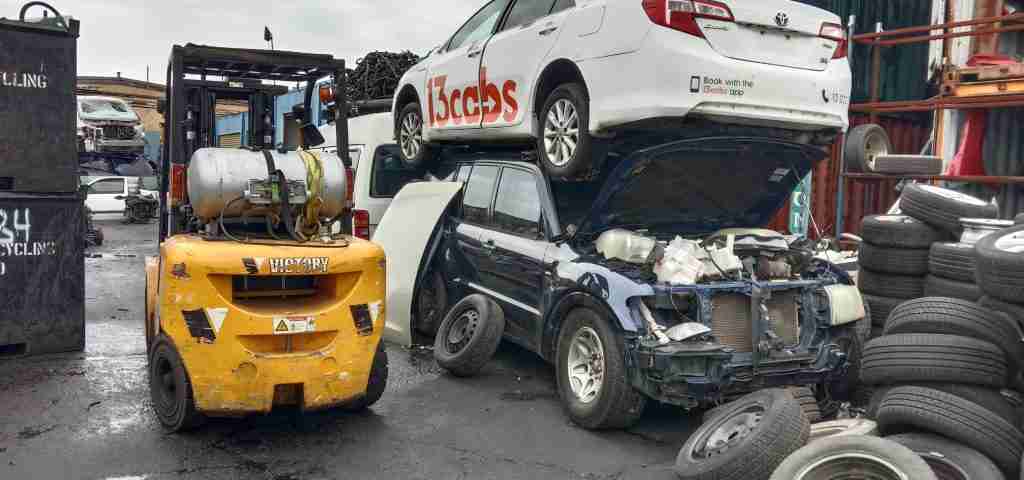
WHY RECYCLING OF CARS IS GOOD FOR OUR ENVIRONMENT
Recycling cars is a crucial practice that significantly benefits the environment, economy, and society. As vehicles reach the end of their life cycle, recycling them instead of discarding them helps to conserve resources, reduce pollution, and promote sustainability. Here’s an in-depth look at why car recycling is essential for our planet.
Recycling Cars Has Both Environmental Benefits &
Economical Benefits as well.
Environmental Benefits
1. Reduces Landfill Waste
One of the most significant advantages of recycling cars is the reduction of landfill waste. Approximately 12 million vehicles are disposed of annually in the United States alone, contributing to massive amounts of waste. Recycling these vehicles diverts substantial quantities of materials from landfills, which helps mitigate soil contamination and reduces the environmental footprint associated with waste disposal.
2. Conserves Natural Resources
Car recycling conserves natural resources by minimizing the need to mine new metals. The extraction process for metals like steel, aluminum, and copper is energy-intensive and environmentally damaging. By recycling old vehicles, we can reuse these metals to produce new parts, significantly reducing the demand for raw materials and preserving natural ecosystems.
3. Promotes Energy Efficiency
The creation of new automotive components from recycled materials demands considerably less energy than the production of these parts from virgin resources. For example, the recycling of steel can conserve as much as 74% of the energy required to produce new steel from raw iron ore. This enhanced energy efficiency results in reduced greenhouse gas emissions and a diminished carbon footprint linked to the manufacturing of vehicles.
4. Prevents Pollution
Old vehicles often leak hazardous fluids such as oil and brake fluid, which can contaminate soil and water supplies if not properly managed. Recycling facilities follow strict regulations to safely remove and dispose of these fluids, thereby preventing potential environmental disasters. Additionally, recycling reduces air pollution by decreasing the need for smelting operations that release harmful emissions into the atmosphere.
5. Supports Sustainable Practices
As car manufacturers increasingly focus on sustainability, many newer models are designed with recyclability in mind. This trend not only makes it easier to recycle vehicles but also encourages the use of materials that are less harmful to the environment. By participating in car recycling, consumers support this shift towards more sustainable automotive practices.
Economic Benefits
1. Reduces Landfill Waste
One of the most significant advantages of recycling cars is the reduction of landfill waste. Approximately 12 million vehicles are disposed of annually in the United States alone, contributing to massive amounts of waste. Recycling these vehicles diverts substantial quantities of materials from landfills, which helps mitigate soil contamination and reduces the environmental footprint associated with waste disposal.
2. Financial Incentives for Consumers
Recycling cars can also provide financial benefits for vehicle owners. Many recycling facilities offer cash for scrap vehicles, allowing individuals to earn money while disposing of their old cars responsibly. Furthermore, using recycled parts can be more cost-effective than purchasing new ones, benefiting consumers financially while promoting sustainability.
3. Reduced Costs for Manufacturers
Recycled materials are often less expensive than new materials due to lower production costs associated with recycling processes. This reduction in material costs can help manufacturers keep prices down for consumers while maintaining profitability.
Conclusion
Recycling cars is not merely an environmentally friendly option; it is a necessary practice that aligns with global sustainability goals. By reducing landfill waste, conserving natural resources, promoting energy efficiency, preventing pollution, and supporting economic growth, car recycling emerges as a win-win solution for both the environment and society. As awareness about the importance of recycling grows, it is essential for individuals to consider their old vehicles’ fate carefully. By choosing to recycle rather than discard or neglect these cars, we can collectively contribute to a healthier planet and a more sustainable future.